Essential Yard Maintenance Tips for Homeowners

Maintaining a beautiful yard is not just about aesthetics; it also enhances your home's value and provides a welcoming environment for family and friends. Whether you are a seasoned gardener or a novice homeowner, understanding the basics of yard maintenance can make a significant difference. In this post, we will explore essential yard maintenance tips that will help you keep your outdoor space looking its best throughout the year.
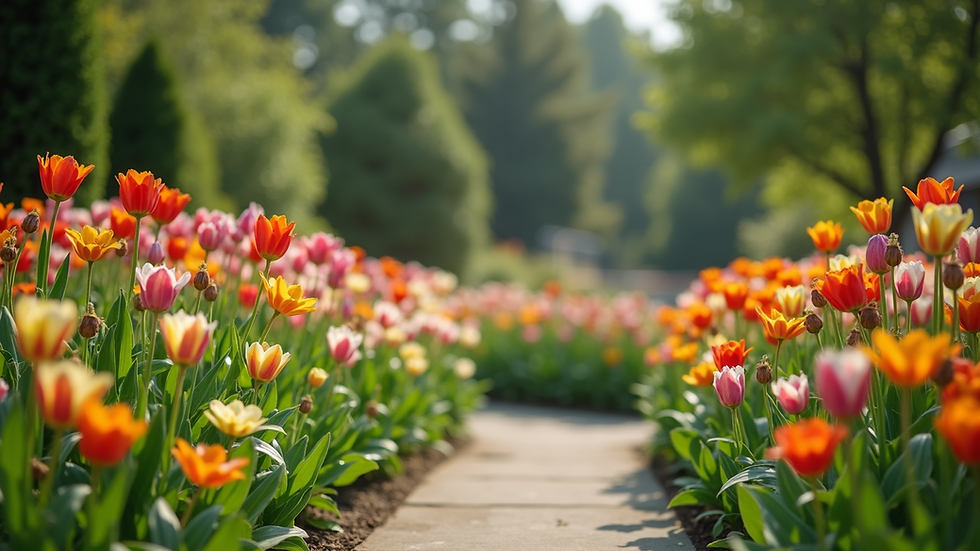
Understanding Your Yard
Before diving into maintenance tasks, it’s crucial to understand the unique characteristics of your yard. Factors such as climate, soil type, and existing vegetation will influence your maintenance routine.
Assessing Your Soil
Healthy soil is the foundation of a thriving yard. Here’s how to assess your soil:
Soil Type: Determine if your soil is sandy, clay, or loamy. Each type has different drainage and nutrient-holding capabilities.
pH Level: Test your soil’s pH to understand its acidity or alkalinity. Most plants thrive in a pH range of 6.0 to 7.5.
Nutrient Content: Conduct a soil test to check for essential nutrients like nitrogen, phosphorus, and potassium.
Climate Considerations
Your local climate will dictate what plants will thrive in your yard. Research native plants that are well-adapted to your region. Native plants often require less maintenance and are more resistant to pests and diseases.
Seasonal Maintenance Tasks
Yard maintenance is an ongoing process that varies with the seasons. Here’s a breakdown of essential tasks for each season.
Spring: Awakening Your Yard
As winter fades, spring is the perfect time to rejuvenate your yard.
Clean Up Debris: Remove leaves, branches, and any other debris that accumulated over the winter.
Aerate the Lawn: Aerating helps improve soil compaction and allows nutrients to penetrate deeper.
Fertilize: Apply a balanced fertilizer to kickstart growth. Choose a product suitable for your soil type and plants.
Plant New Flowers and Vegetables: Spring is ideal for planting annuals and starting vegetable gardens.
Summer: Keeping It Green
During the hot months, your yard requires consistent care.
Watering: Water deeply and less frequently to encourage deep root growth. Early morning is the best time to water.
Mowing: Keep your lawn at a height of 2.5 to 3 inches to promote healthy growth and shade the roots.
Weed Control: Regularly check for weeds and remove them before they can spread. Consider using mulch to suppress weed growth.
Fall: Preparing for Winter
As temperatures drop, it’s time to prepare your yard for the colder months.
Rake Leaves: Regularly rake leaves to prevent them from smothering your lawn.
Plant Bulbs: Fall is the best time to plant spring-flowering bulbs like tulips and daffodils.
Prune Trees and Shrubs: Pruning helps maintain shape and encourages healthy growth in the spring.
Winter: Protecting Your Yard
While your yard may seem dormant, there are still important tasks to consider.
Protect Plants: Use mulch or burlap to protect sensitive plants from frost.
Plan for Spring: Use this time to plan your spring garden. Research new plants and design your layout.
Lawn Care Essentials
A lush, green lawn is often the centerpiece of a beautiful yard. Here are some essential lawn care tips.
Mowing Techniques
Mow Regularly: Aim to mow once a week during the growing season.
Sharp Blades: Always use sharp mower blades to ensure clean cuts, which helps prevent disease.
Grasscycling: Leave grass clippings on the lawn to return nutrients to the soil.
Fertilization
Timing: Fertilize your lawn in early spring and again in late summer.
Type of Fertilizer: Choose a slow-release fertilizer to provide nutrients over time.
Pest and Disease Management
Identify Problems Early: Regularly inspect your lawn for signs of pests or disease.
Natural Remedies: Consider using natural pest control methods, such as introducing beneficial insects.
Plant Care Tips
Beyond the lawn, your garden plants also require attention. Here are some tips for maintaining healthy plants.
Watering Wisely
Deep Watering: Water plants deeply but infrequently to encourage deep root systems.
Drip Irrigation: Consider installing a drip irrigation system for efficient watering.
Pruning and Deadheading
Regular Pruning: Prune plants to remove dead or diseased branches and to shape them.
Deadheading Flowers: Remove spent blooms to encourage further flowering.
Mulching
Benefits of Mulch: Mulch helps retain moisture, suppress weeds, and improve soil quality.
Types of Mulch: Use organic mulches like wood chips, straw, or grass clippings.
Landscaping Ideas
Enhancing your yard with landscaping can create a more inviting space. Here are some ideas to consider.
Flower Beds
Design: Create flower beds with a mix of perennials and annuals for year-round color.
Borders: Use stones or bricks to define the edges of your flower beds.
Pathways
Materials: Consider using gravel, pavers, or stepping stones to create pathways.
Functionality: Ensure pathways are wide enough for easy access and maintenance.
Outdoor Living Spaces
Patios and Decks: Create a space for relaxation and entertainment.
Furniture: Invest in weather-resistant furniture to enjoy your outdoor space.
Sustainable Practices
Incorporating sustainable practices into your yard maintenance can benefit the environment.
Composting
Benefits: Composting reduces waste and provides nutrient-rich soil for your garden.
How to Start: Set up a compost bin and add kitchen scraps, yard waste, and paper products.
Native Plants
Advantages: Native plants require less water and are more resilient to local pests.
Biodiversity: They also support local wildlife, including pollinators.
Conclusion
Maintaining a beautiful yard requires dedication and knowledge, but the rewards are well worth the effort. By following these essential yard maintenance tips, you can create an outdoor space that enhances your home’s value and provides a welcoming environment for all. Remember to assess your yard’s unique characteristics, perform seasonal tasks, and embrace sustainable practices. With a little care and attention, your yard can thrive year-round.
Now that you have the tools and knowledge to maintain your yard, it’s time to get started. Happy gardening!
Comments